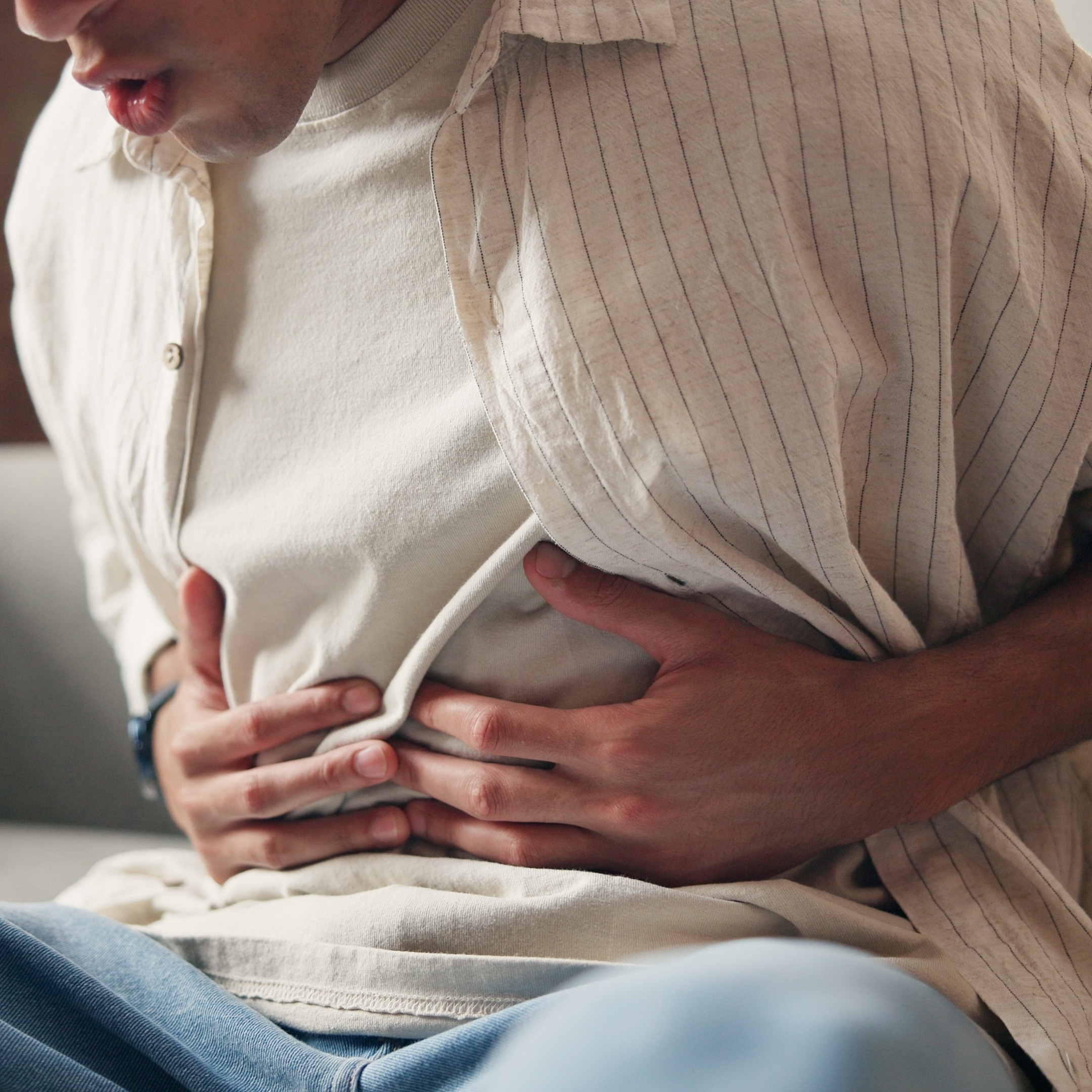
Your gastrointestinal (GI) tract is responsible for taking food from your mouth to your rectum, absorbing vital nutrients and fueling the body. However, it is common for the GI tract to be linked to various disorders, including irritable bowel syndrome (IBS), chronic constipation and bloating, Celiac disease, and more. Dr. Justin Cochrane is one of Pullman Regional Hospital’s Gastroenterologist with Pullman Surgery and Gastroenterology, ready to help with any GI needs, questions, and myth debunking.
Here are five common GI misconceptions:
Myth 1: Stress and anxiety are not linked to your GI tract
Research has found that emotional stress can affect how the GI tract functions; your brain and your gut communicate all day long. Within your digestive tract, there is a large enteric nervous system (ENS), which controls digestive functions and sends communication from your gut to your brain through the vagus nerve. Referred to as the gut-brain axis, your central nervous system and enteric nervous system are connected on a feedback loop, meaning if your brain isn’t “healthy,” neither is your gut, and vice-versa.
“I recommend managing your stress by staying active, getting enough sleep, confiding in a friend or counselor, and spending time outdoors,” Dr. Cochrane says. “You should also eat a balanced and rich diet with plenty of fiber and probiotic foods.”
Myth 2: Celiac disease is only developed at birth
People can develop celiac disease over time or suddenly. Celiac disease can appear at any age if you’re genetically predisposed; it’s dormant until a specific trigger activates your immune system. Triggers can even include infection, surgery, pregnancy, or severe emotional stress.
Celiac disease is an immune reaction where gluten damages and flattens the lining of the small intestine, disrupting its absorption process. Gluten is a family of proteins found in wheat, barley, and rye. Many people assume that gluten only disrupts the GI tract if you have Celiac disease. Although gluten sensitivities do not physically damage the small intestine, they can still cause symptoms such as abdominal pain, bloating, and constipation.
Dr. Cochrane shares that gluten can hide in common pantry staples like dressings, soy sauce, and candy. "Be sure to read all the listed ingredients before buying," he advises.
Myth 3: IBS “isn’t that big of a deal”
Irritable bowel syndrome is not a life-threatening disorder, but it can severely disrupt your day-to-day life and link itself to major risk factors. It is a chronic disorder, affecting your gut’s motility and sensitivity. Because of its long-term management, IBS can take a serious toll on an individual’s mental health. The constant discomfort, worrying about where to relieve yourself, and the bodily appearance of bloating can impact mental health.
“While IBS cannot be cured, we have strategies, such as a Low-FODMAP diet, that can help,” says Dr. Cochrane. A low FODMAP diet is a temporary eating plan that cuts out certain hard-to-digest sugars to help calm an upset stomach (the full acronym stands for fermentable oligosaccharides, disaccharides, monosaccharides and polyols). Some foods in these categories include plain meats, fish, eggs, green beans, and carrots.
Myth 4: You must have bowel movement daily
"Normal bowel movement ranges from three times daily to three times a week," says Dr. Cochrane. "Every person has a different rhythm of going to the bathroom." However, if your stools are uncomfortable, painful, or severely infrequent to your routine, or if there is blood present, then you should consult your primary care clinician.
The best way to avoid constipation is to eat a healthy diet with enough fiber and adequate hydration. Aim for about 25 grams of fiber and 2 liters of fluids per day.
Myth 5: A GI cleanse needs to be done often
Common cleanse and detox methods, such as water or juice diets, can harm your gut health. The GI tract cleans itself through peristalsis–a series of automatic, wave-like muscle contractions that move food, fluids, and waste through your digestive tract–the gut lining, and natural organ filtration. Your body’s microbiome has good bacteria that are fighting for you; your gut wants to work for you, not against you!
“Detox kits are a marketing tactic that is not needed for essential health functions,” says Dr. Cochrane. “If you want to increase your body’s natural detox, consume more fiber, drink water, and exercise.”
If you have any questions or concerns about your gastrointestinal health, ask your primary care physician or advanced practice clinician for a referral to Pullman Surgery and Gastroenterology today.
About the author:
Riley Wolanzyk is a senior studying public relations and business administration at Washington State University. Passionate about healthcare, community engagement, and education, Riley serves as an intern at Pullman Regional Hospital and is the current Vice President of Philanthropy & Service for the WSU Panhellenic Executive Council.