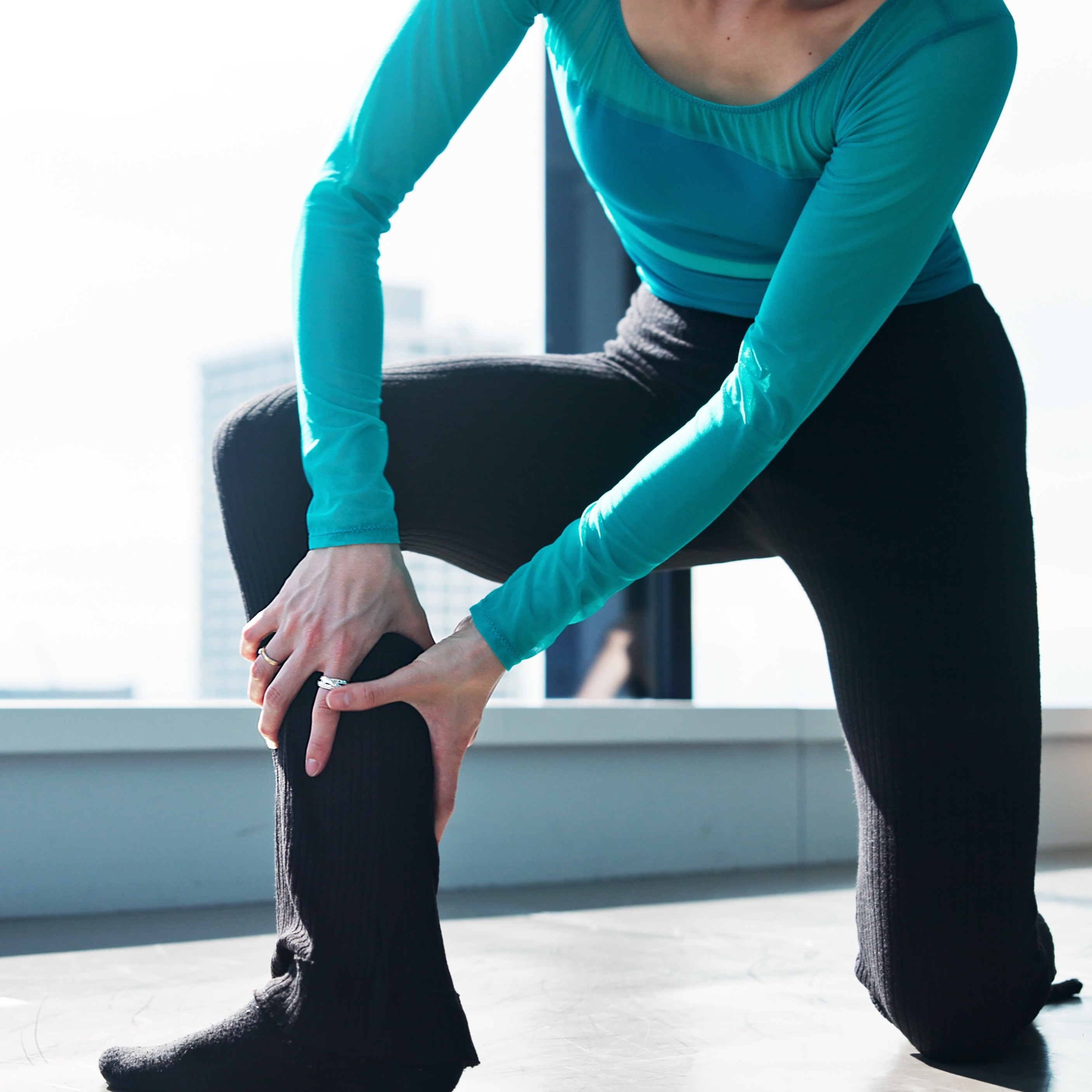
Athletic Trainers play a vital role in an athlete’s safety and success. They’re seen at daily practices carefully demonstrating proper technique, or on the sidelines during a game, ready at a moment’s notice to treat an injury. There’s no doubt of the importance of an Athletic Trainer’s care and expertise for athletes, but could this same care apply to a ballet dancer?
“Dancers, cheerleaders, and even band members–their rehearsal routine is pretty demanding, and injuries can happen,” says Rylee Meagher, MSAT, ATC, LAT, who currently aids student athletes at Garfield-Palouse High School with Pullman Regional’s High School Athletic Training Program. What you may not know about Rylee is that she used to be a dancer herself and performed with her high school band’s Color Guard. She also volunteers with the Santa Clara Vanguard Drum and Bugle Corps and understands firsthand the physical demands these non-traditional athletes endure for their art. From dancers, actors, and singers performing on stage, to band instrumentalists and cheerleaders on the sidelines of a game, performing artists would benefit from the same attention traditional athletes receive from Athletic Trainers.
So, what exactly would an Athletic Trainer do at their rehearsals? Like in traditional sports, injuries are common and can happen without the use of proper technique and form. Rylee has laid out five common ailments performing artists experience and how an Athletic Trainer would assist in these settings.
1. Heat Exhaustion and Illness
Heat exhaustion happens when your body gets too hot and starts to lose water and salt from heavy sweating; common symptoms include headache, nausea, and feeling faint. For band members, twirlers, and color guard dancers, their practices start before the school year in the unforgiving heat of midsummer.
“Part of an Athletic Trainer’s job is managing heat illness and exhaustion,” says Rylee. It’s especially important for Athletic Trainers to monitor for heat stroke, which can be life-threatening. If somebody is on the verge of passing out, an Athletic Trainer would help them cool down and look out for any abnormal symptoms. “We also keep an eye on the weather to make sure it’s not too hot to practice outdoors, especially in the summer.”
2. Muscle Overuse
With long and intense practices and rehearsals, these athletes will often overuse the same muscle groups over and over, which can lead to exhaustion and make them more prone to injuries. All performing artists experience this regardless of intensity. “This is a serious concern, not just because it’s so common, but because for some performance artists, they aren’t trained as athletes and don’t have the proper technique on how to prevent injuries,” says Rylee.
Stamina and endurance are also important for performing artists across all disciplines, and being tired can decrease your reaction time and further increase the chance of injury. An Athletic Trainer would be able to demonstrate stretches for before and after rehearsal, as well as what appropriate recovery looks like.
3. Muscle and technique training
Different performing artists will use different parts of their bodies for their craft. Cheerleaders, for example, need proper core strength and balance to accomplish their stunts; singers and actors also need a strong core, but also a suitable breathing technique to project their voices to the audience. Color guard dancers and twirlers focus on training their upper body strength to accommodate the props they use, and band members need lower body strength for marching.
Dancers use every part of their body to not just leap, jump, and turn, but to isolate different limbs to appear graceful throughout their performance. An Athletic Trainer would develop a strength-training program specifically tailored to each of these art forms, as well as training programs to improve proper technique, so these athletes can train in a way that minimizes the risk of injury.
4. Strains, sprains, and breaks
No matter how perfect someone’s training is, accidents can still happen. Rylee shares that she’s seen her fair share of strains, sprains, and breaks across all performing arts settings, from knee, ankle, and wrist sprains with band, to concussions from people landing wrong or from being landed on in cheerleading and dance.
For dancers specifically, Rylee states that since they use and engage their whole body, it can get physically intense. “It’s important for someone to be there to treat these injuries as they happen,” she says. Athletic Trainers would also be able to assess how long performers should rest after an injury and let them know when they’ll be able to perform again.
5. Assessing risk
Part of the beauty of the performing arts is the effortless illusions the performers create, but the truth is that there is a great amount of effort and risk into executing them. In theatre, for example, actors treat any staged fighting as a choreographed dance, rehearsing it often and with the appropriate technique so nobody gets hurt. The benefit of having an Athletic Trainer present at rehearsal would be to assist the fight director in assessing risk and treating any accidental injuries that occur.
Dancers and cheerleaders also perform stunts in their routines, engaging their muscles, core, and stability strength to avoid injury. The skilled eye of an Athletic Trainer would be able to identify weak points in a stunt that could fundamentally cause an injury or engage the wrong muscle and adjust them accordingly.
If you’re a performing artist, these concerns may resonate closely with your personal experience. Like with traditional athletes, the passion you have and the exhilaration you feel while performing keep you going despite knowing the risks. There are, fortunately, ways you can prepare to minimize the chance of injuring yourself. Here are a few tips from Rylee to help you feel confident going into your next season:
- Gradual onset
- If your season or rehearsal period is coming up, start with stretches and warm-up activities to gradually build stamina and endurance. It’s better to have your body ready for intense rehearsals by preparing it beforehand than to go in without any training.
- Be aware of your own body
- Point out what parts of your body are more prone to injuries. This can be a part that’s more sensitive than others, or a part you’ve injured multiple times before. Talk to your coach, instructor, or ATC for help with training and injury prevention to those specific areas.
- Treat injuries with RICE
- Rest, ice, compression, and elevation are the best ways to treat an injury that has just occurred.
- Hydrate
- Hydration is crucial before, during, and after a workout. Water helps our bodies control temperature to prevent overheating and keeps our muscles and joints pliable and resilient to minimize injuries.
If you have any persistent pain after an injury or your symptoms worsen, contact your primary care provider right away.
Did you know Pullman Regional employs athletic trainers in four of our local high schools? Learn more about the Regional High School Athletic Training program!