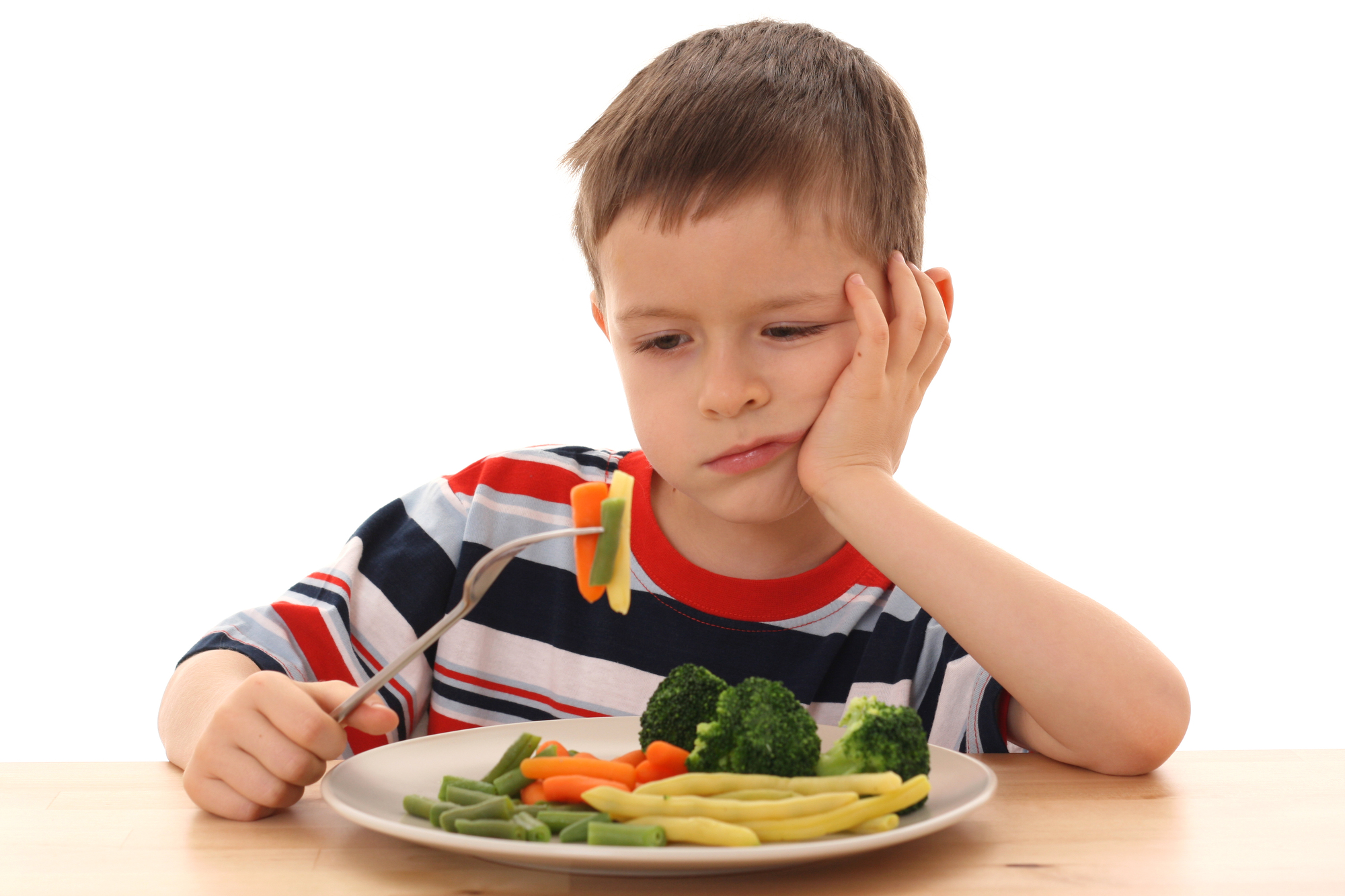
If mealtime has become a battle, the solution may not be getting your child to eat more, it may be taking the pressure off.
“Picky eating is a very common part of childhood, and for many children, it’s a phase that changes over time,” says Dr. Maricarmen Shields, Pediatrician at Pullman Regional’s Palouse Pediatrics. “What matters most is looking at the whole picture, how a child is growing, what foods they are eating and whether mealtimes are becoming a source of significant stress for the child or family.”
If your child survives on the same handful of “safe” foods, refuses anything green, objects when foods touch or becomes upset when you introduce something new, you are not alone.
“Picky eating is a common part of childhood, particularly between ages 2 and 6,” explains Lisa Grentz, Registered Dietitian Nutritionist for Pullman Regional Hospital. “Many children prefer familiar foods, resist new textures or flavors and go through phases where their favorite foods seem to change by the week.”
When picky eating becomes more intense, persistent, or disruptive to family life, it may be time to look at eating differently.
At a recent presentation, “Tiny Bites, Big Challenges: Clinical Perspectives on Pediatric Feeding Disorder,” experts on the hospital’s Pediatric Feeding Team, Lisa Grentz and Kelly Steele, Speech-Language Pathologist, shared strategies that can help families create a calmer, more positive relationship with food.
Here are three you may not have tried.
1. Try the Division of Responsibility
One of the biggest changes parents can make is letting go of the idea that they need to get their child to eat.
The Division of Responsibility, developed by Ellyn Satter, separates the jobs of the caregiver and the child.
Parents are responsible for:
- What food is offered
- When food is offered
- Where meals and snacks happen
Children are responsible for:
- Whether they eat
- How much they eat
That means a parent might serve a balanced meal that includes at least one food their child typically accepts. The child gets to decide whether to eat and how much.
“The Division of Responsibility helps eliminate some of the power struggles around food,” says Grentz. “When we shift the focus from getting children to take bites to creating a predictable and supportive environment, we can help them reconnect with their own hunger and fullness cues.”
The goal isn't to let a child eat whatever they want, whenever they want. Parents still provide structure and the approach takes pressure to eat off the child.
Division of Responsibility and responsive feeding strategies can be particularly helpful for children who:
- Prefer a limited number of foods
- Refuse new foods
- Become anxious or upset around meals
- Have frequent mealtime power struggles
- Are beginning to develop increasingly rigid food preferences
For children with significant nutritional, medical or feeding-skill concerns, these strategies may be part of a larger feeding plan.
2. Make the Mealtime Environment Neutral
Sometimes the pressure to eat doesn't look like pressure. It can sound like: “Just one bite!” “Come on, you might like it!” “I'll be so proud if you try it.”
Or it can be more direct: “You have to eat your vegetables before you get dessert.”
“Even when these comments come from a place of encouragement, they can communicate an expectation that the child must eat,” says Steele.
For some children, particularly children with sensory sensitivities or more significant feeding challenges, that pressure can increase stress and make eating even harder.
“A neutral mealtime means creating an environment where the child feels safe enough to explore food without feeling like every interaction with food has to end with taking a bite,” explains Steele.
Instead of coaxing, bargaining or bribing, parents can focus on creating predictable routines and calmly modeling eating themselves.
That might mean serving the family the same meal, keeping mealtimes relatively short and allowing the child to interact with food without requiring them to taste it.
“Remember – exploration counts,” encourages Steele.
Touching, smelling, poking, moving or looking at a new food can all be steps toward becoming comfortable with it. Eating does not have to be the immediate goal.
Who can this help?
A neutral mealtime environment can be particularly helpful for children who:
- Become distressed or anxious around food
- Refuse foods based on texture, smell, appearance or brand
- Have a shrinking list of foods they will accept
- Experience frequent mealtime conflict
- Have developed strong reactions to being encouraged or pressured to eat
3. Change the Language You Use at the Table
You may be surprised how much your words can influence the atmosphere of a meal.
Instead of commenting on how much your child is eating—or trying to convince them to eat—try keeping your language short, calm and neutral, shares Grentz.
For example:
Instead of: “Just try one bite.” Try: “It's okay if you don't want it today.”
Instead of: “You need to eat more.” Try: “Food is available.”
Instead of: “You're such a good eater!” Try: “Thanks for sitting with us.”
Instead of: “Don't you like it?” Try: “You can decide if you want to eat it.”
“Neutral language helps children stay connected to their own hunger and fullness cues,” says Grentz. “When we avoid coaxing, bargaining and commenting on intake, children can feel more in control and less anxious at mealtimes.”
One recommendation from the presentation is to keep phrases short—seven words or fewer when possible—and then pause rather than continuing to persuade or explain.
The goal is to make food less emotionally charged.
But when is picky eating more than picky eating?
It's important to remember that not every selective eater has a feeding disorder.
Grentz and Steele share that typical picky eating is common and developmentally appropriate. Children generally continue to grow appropriately, accept at least some foods across major food groups and gradually expand their food repertoire with repeated, low-pressure exposure.
Extreme picky eating is more restrictive. A child may have fewer than about 20 regularly accepted foods, eliminate entire food groups, have very strong preferences about brands or food characteristics, experience significant distress around food or gradually lose foods they once ate.
Grentz and Steele explain that Pediatric Feeding Disorder (PFD) is different. It is a diagnosable condition involving impaired oral intake that is not age-appropriate and is associated with medical, nutritional, feeding-skill and/or psychosocial dysfunction.
“Parents know their children best, and they should feel comfortable bringing up feeding concerns with their child’s primary care provider,” says Dr. Shields. “If a child’s food choices are becoming increasingly limited, they are struggling with chewing or swallowing, or meals have become consistently stressful, it’s worth taking a closer look.”
Signs that it may be time to seek professional help include:
- Poor growth or nutritional concerns
- A very limited food variety
- Coughing, choking or gagging while eating
- Difficulty chewing or swallowing
- Significant distress around meals
- Feeding difficulties associated with prematurity, developmental delays or complex medical conditions
- Mealtimes that have become highly stressful or disruptive
You don't have to figure it out alone
The Pullman Feeding Team for Children takes an interdisciplinary approach to feeding concerns. The primary team includes a registered dietitian, speech-language pathologist and primary care provider, with occupational therapy, physical therapy, behavioral health, lactation consultation and medical specialists involved when needed.
The team can provide nutrition and growth assessments, feeding and swallowing evaluations, oral-motor assessments, responsive feeding support and parent coaching and education.
The most important takeaway?
The goal isn't to win the meal. It's to help your child feel safe, supported and confident around food.
“One of the most helpful things parents can do is take the pressure off eating,” says Dr. Shields. “Our goal isn’t to make a child eat a certain food at a certain moment. It’s to create a safe, supportive environment where they can develop a healthy relationship with food over time.”
As Grentz and Steele emphasize, feeding is both medical and developmental, and individualized, family-centered care can make a meaningful difference.
Want to learn more?
If you have concerns about your child's eating, talk with your child's physician or advanced practice clinician about whether a feeding evaluation may be appropriate. The Pullman Feeding Team can help determine whether your child's eating falls within typical picky eating or whether additional evaluation or support is needed.
For parents, the first step may be surprisingly simple: take a breath, take the pressure off and start looking at mealtime a little differently.