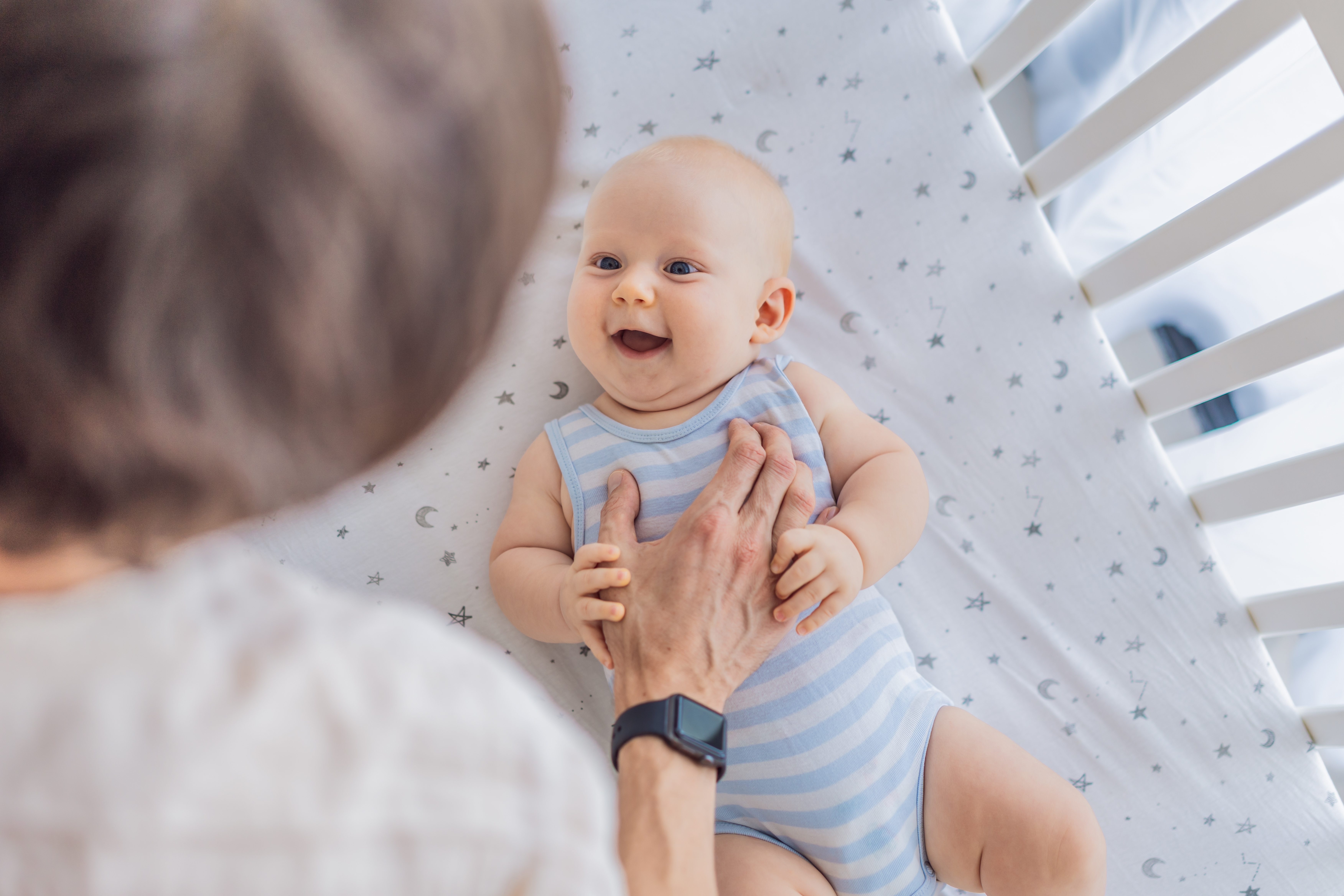
As a parent, even a common cold can feel stressful when it's your baby. But some respiratory illnesses, including Respiratory Syncytial Virus (RSV), can be more serious for infants.
RSV is a common respiratory virus that causes mucus to build up in the airways. Because babies have smaller airways, they can have a harder time clearing that mucus and breathing comfortably. RSV is the leading cause of hospitalization in infants in the United States, making prevention especially important during those early months.
"RSV hospitalization risk is the highest during the first months of life, but it continues to be the number one cause of hospitalization in infants in the US during the entire first year of life," explains Dr. Maricarmen Shields of Pullman Regional's Palouse Pediatrics.
The good news is that there is a way to help protect babies during their first RSV season. RSV antibody protection, available through Enflonsia, helps lower the risk of severe RSV illness and hospitalization.
Here are three things parents should know about RSV antibody protection.
1. Protection Starts Right Away
Enflonsia is an RSV antibody injection that gives babies ready-made antibodies to help protect them from severe RSV illness. Unlike a traditional vaccine, it provides immediate protection rather than stimulating the baby's immune system to produce its own antibodies.
"Enflonsia is different from a traditional vaccine. It is a monoclonal antibody, " says Dr. Shields. "Which means your baby receives ready-made protection against RSV rather than asking their immune system to make antibodies. "
Babies younger than 8 months entering their first RSV season may be eligible to receive RSV antibody protection.
2. One Dose Helps Protect Your Baby Throughout RSV Season
Between newborn visits, feedings and everything else that comes with caring for a new baby, parents have plenty to keep track of. RSV antibody protection is designed to make prevention simple.
"The RSV antibody starts providing protection right away and a single dose provides protection for 5 months," explains Dr. Shields. "Covering the period when babies are most vulnerable during their first RSV season."
If you received an RSV vaccine during pregnancy, your baby has already received protective antibodies through the placenta before birth. In that case, your baby generally does not need an additional RSV antibody dose.
Your pediatrician can help determine which option is right for your baby.
3. It Can Help Lower the Risk of RSV Hospitalization
RSV can be more than a typical cold for young babies. In some cases, it can cause serious breathing problems that require hospital care. Treatment focuses on supportive care, which may include suctioning mucus from the airways and providing oxygen if a baby is having trouble breathing.
"Most infants hospitalized with RSV have no known risk factors for severe disease, so even full-term, healthy babies are at risk," explains Dr. Shields.
The good news is that RSV antibody protection can significantly lower the risk of hospitalization.
"RSV antibody decreases hospitalization from RSV infection by 84% during the first five months after administration," says Dr. Shields. "RSV antibody is such an important layer of protection for your baby as we move into the winter months and respiratory virus season."
Is Your Baby Eligible for RSV Antibody Protection?
Babies younger than 8 months entering their first RSV season may be eligible for RSV antibody protection if they have not already received protection through an RSV vaccine during pregnancy.
Every baby is different, and your pediatrician can help you understand your options and determine what is best for your child.
Palouse Pediatrics is here to help families navigate their children's health and answer questions about RSV prevention.
Have questions about RSV protection? Talk with your pediatrician or contact Palouse Pediatrics in Pullman (509) 332-2605 or Moscow (208) 882-2247 to learn more and schedule an appointment.